
Stay Independent With Confidence
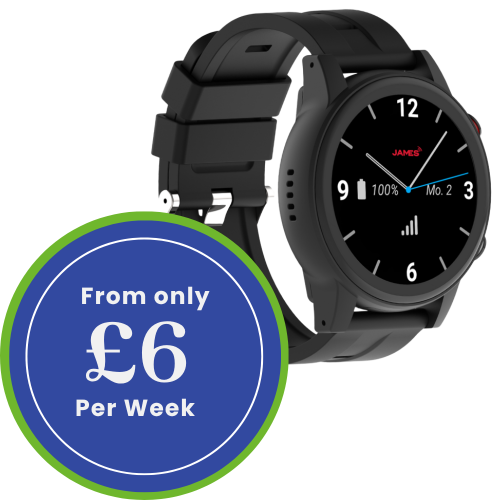
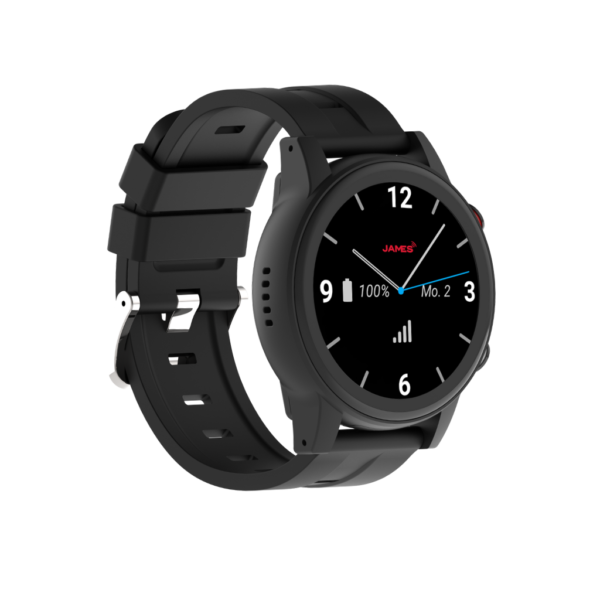
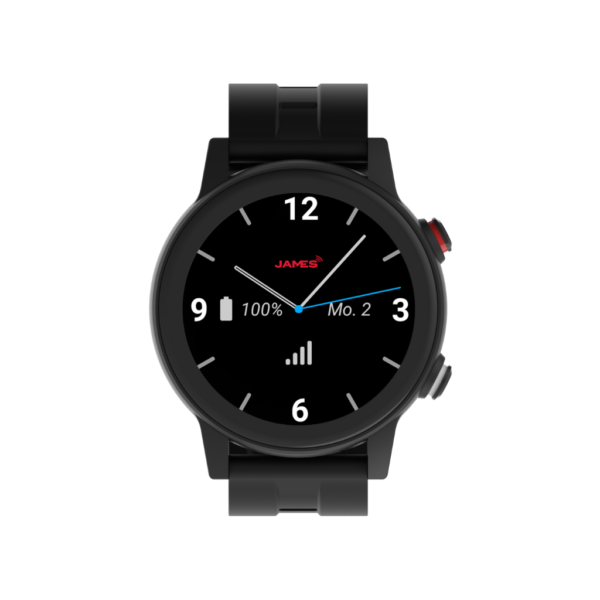
The StaySafe Classic Watch combines the reassurance of a personal safety alarm with the familiar appearance of a traditional watch. Designed for those who prefer a larger analogue-style display, it provides easy access to help, GPS location support, fall detection, and two-way communication, all while looking and feeling like an everyday watch.
It can even announce the time aloud at the touch of a button, making it ideal for those with reduced eyesight or anyone who prefers a little extra assistance throughout the day.
- Traditional analogue-style watch face
- Speaks the time at the touch of a button
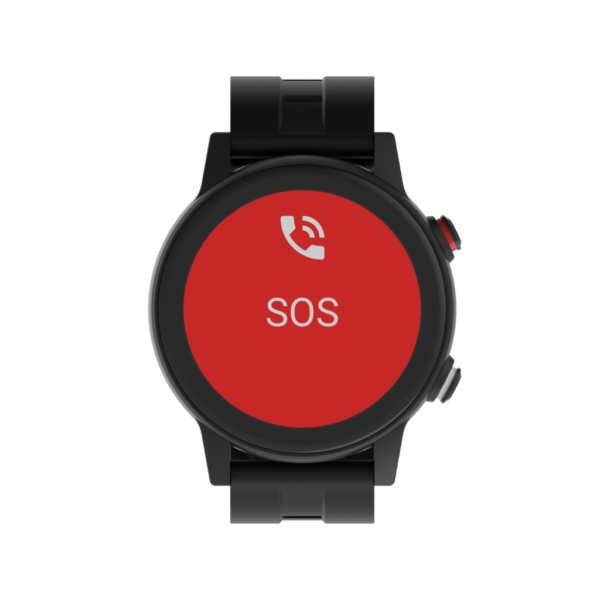
- SOS alarm for help when needed
- GPS location support for family reassurance
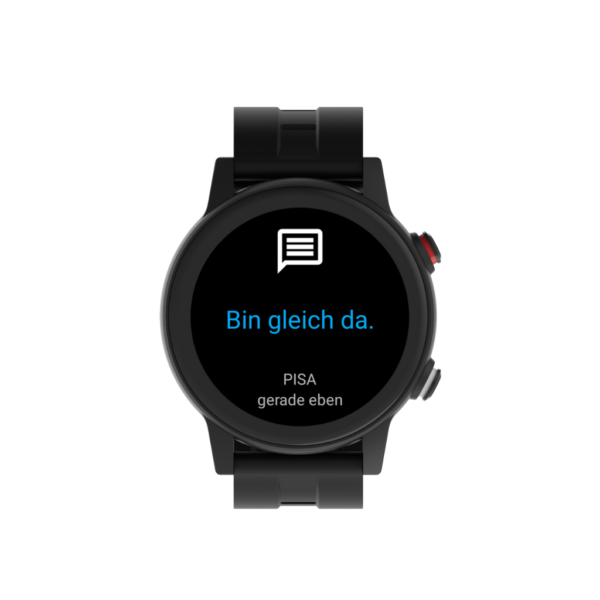
- Two-way voice communication
- Family smartphone app included
- Fall detection monitoring
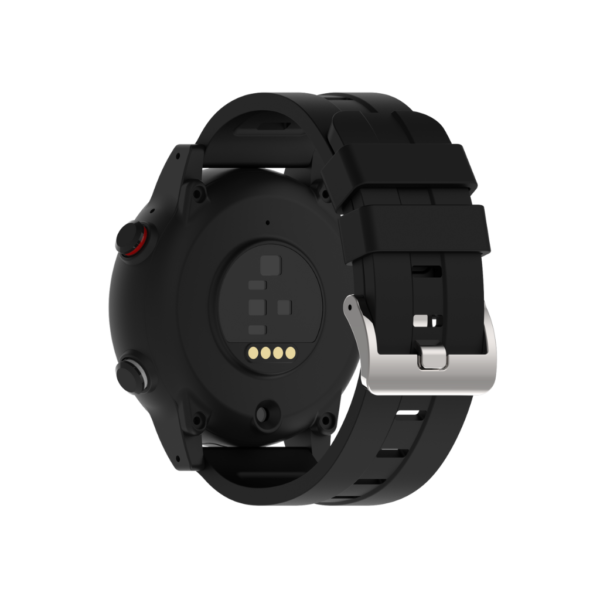
- Water resistant design
You can now order your StaySafe Classic SOS Watch online today.
Choose the response service that best suits your circumstances, and our team will then arrange setup, support and delivery.
How our alarm service works
1
Wear your watch
Comfortable, lightweight and designed to be worn every day, both at home and when out and about.
2
press the sOS button
The dedicated SOS button on the watch face includes raised lettering and can be easily located by touch when needed.
3
help is contacted
Family members can be alerted instantly, or our 24/7 emergency resolution team can respond and arrange assistance.
4
help arrives
Loved ones, carers, neighbours or emergency services can be contacted quickly when help is required, no need to remember numbers.
Simple Affordable Pricing
1. Friends & Family Response – £6 Per Week
(£26 per month)
When help is needed, an alert is sent directly to your chosen family members or trusted contacts. Ideal if you already have people nearby who can provide assistance and reassurance.
2. 24/7 Emergency Resolution Team – £7 Per Week
(£30 per month)
When help is needed, an alert is sent to a professional UK-based monitoring team, available 24 hours a day, 365 days a year. They can speak through the watch, assess the situation, contact family members, or arrange further help if needed.
Everything You Need to Get Started
- Watch supplied and ready to use
- Delivered and set up in person
- Family contacts added for you
- Help with the family app
- Local support
- No long-term contract
Why People Choose Safeguard
- Free Home Demonstration
- Personal Setup & Guidance
- Local Support
- From Just £6 Per Week
Ideal for
- Individuals living with dementia or memory loss who may be at risk of wandering
- Older adults who want to maintain independence with added peace of mind
- People with mild learning disabilities or vulnerabilities in unfamiliar environments
- Anyone who may need emergency support while out and about, without using a mobile phone

Frequently Asked Questions
No. The StaySafe Classic SOS Watch works independently and does not require the wearer to have a smartphone. All alerts and location information are sent to carers or family members via a separate platform.
The StaySafe Classic SOS Watch is worn like a normal watch, but includes a built-in SOS button for emergencies. If help is needed, the wearer presses the button and an alert is sent through their chosen response plan. The watch can also support GPS location, fall detection and two-way voice communication, helping family members or the response team understand what has happened and arrange help if needed.
Yes. Family members and carers can call the StaySafe Classic SOS Watch directly, just like a mobile phone, to check in or offer reassurance.
If the wearer needs help, they can press the SOS button on the watch. Depending on the plan chosen, the alert will either go to their nominated Friends & Family contacts or to our 24/7 Emergency Resolution Team. This keeps the system simple while making sure help can be reached quickly when needed.
Not at all. The watch has a simple design with a single SOS button. It’s comfortable to wear and doesn’t require any setup by the user. Everything is pre-configured before delivery.
Pressing the button triggers an alert and opens a two-way voice call with a designated responder or emergency contact, allowing the wearer to speak directly to someone who can help.
Yes. You can set timed or permanent geofences, such as around the home or care facility. If the wearer leaves or returns to that area, you’ll receive an instant alert.
Yes. The StaySafe Classic SOS Watch comes with a built-in multi-network SIM, which automatically connects to the strongest available mobile signal across major UK networks. This ensures maximum coverage, even in rural or low-signal areas.