Dementia Safety Advice & Resources
Home » Advice & Resources » Dementia Safety
Understanding Dementia Safety
Living with dementia can present a number of challenges, both for the individual and for the people who care about them. While memory loss is often the most recognised symptom, dementia can also affect judgement, awareness, communication and the ability to navigate familiar environments. As the condition progresses, concerns about safety, independence and wellbeing often become increasingly important.
For many families, one of the biggest worries is the possibility of a loved one becoming confused, disorientated or lost. Even individuals in the early stages of dementia can occasionally forget where they are, struggle to find their way home or become anxious when outside familiar surroundings. These situations can be distressing for everyone involved and may leave family members feeling uncertain about how best to provide support while still respecting their loved one’s independence.
Maintaining independence is often a key priority for people living with dementia. Remaining active, socially connected and involved in everyday life can have significant benefits for confidence, wellbeing and quality of life. Finding the right balance between safety and independence is therefore essential. Rather than restricting freedom, many families are now exploring practical solutions that allow their loved ones to continue enjoying daily activities while providing additional reassurance when it is needed most.
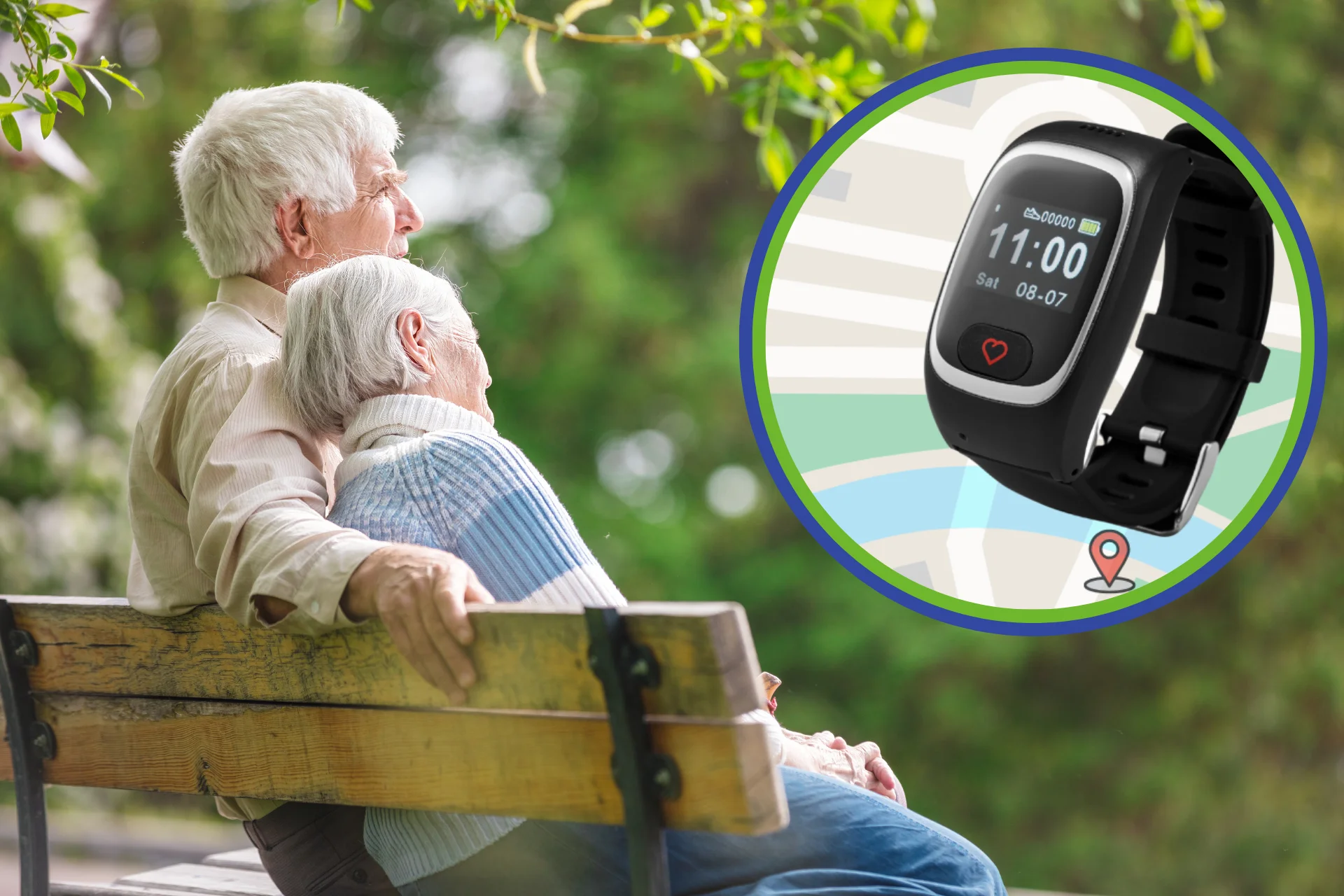
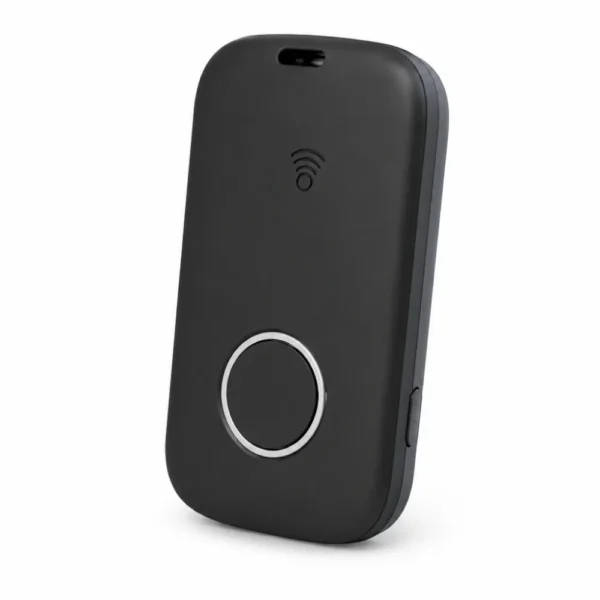
Modern technology has transformed the way people can be supported at home and in the community. GPS-enabled devices, personal alarms and location-based safety features can help families stay connected and provide an extra layer of protection. Features such as geofencing can alert family members if someone moves outside a designated safe area, while GPS location services can help locate a loved one quickly should they become disorientated or lost.
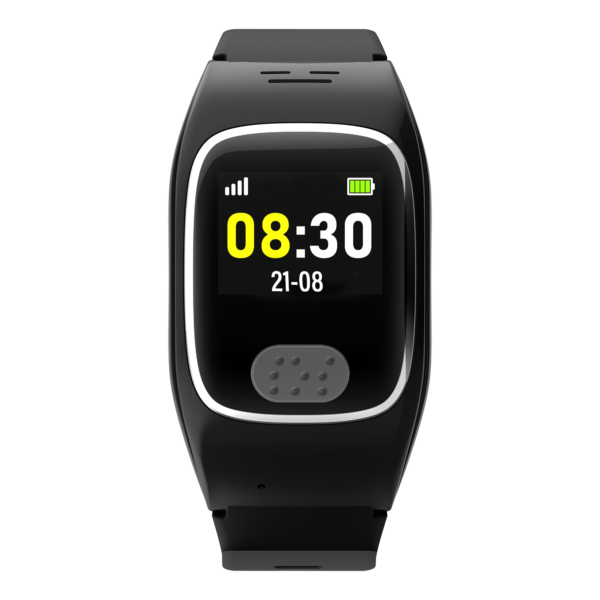
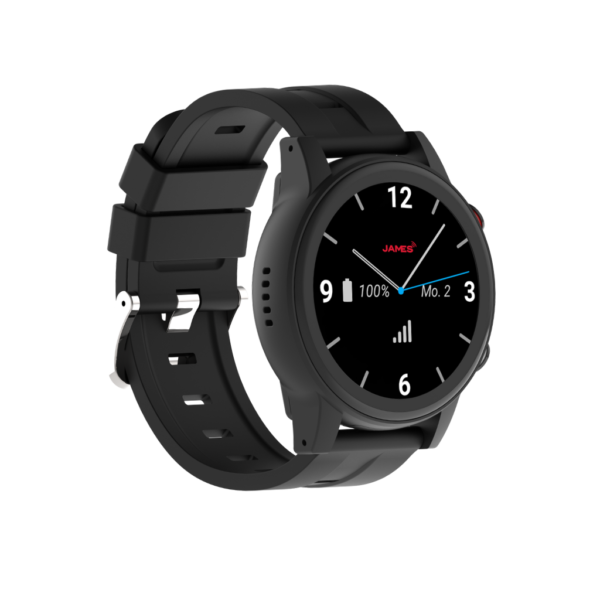
Many people are surprised to discover how much technology has evolved in recent years. Today’s devices are often discreet, easy to wear and designed specifically with older people in mind. Solutions such as our StaySafe Compact Watch and StaySafe Classic Watch combine personal alarm functionality with GPS location technology, helping to provide reassurance for both the wearer and their family.
In addition to technology, it is important to consider wider aspects of dementia safety. Simple measures such as establishing routines, ensuring the home environment is safe, encouraging social interaction and maintaining regular communication can all play a valuable role. Families may also benefit from learning more about common dementia-related behaviours and understanding how these can affect everyday activities and decision-making.
Support is available, and no family should feel they need to navigate the challenges of dementia alone. Whether you are looking for information about GPS tracking, wandering risks, geofencing, personal alarms or ways to help a loved one remain independent for longer, the resources in this section are designed to provide practical guidance and support.
You may also find our guides on **Independent Living**, **Family Carer Advice**, **Personal Alarms & Emergency Response** and **Telecare & Technology** helpful as you explore the options available to support safer, more confident living with dementia.
Not Sure Which Device Is Right For You?
We'll help you choose the most suitable device and response option based on your needs.