Falls & Fall Prevention
Home » Advice & Resources » Falls Prevention
Understanding Falls & Fall Prevention
Falls are one of the most common causes of injury, loss of confidence and hospital admission among older adults. While many people associate falls with ageing, they are not an inevitable part of growing older. Understanding the factors that contribute to falls and taking practical steps to reduce risks can help people remain safer, more active and independent for longer.
A fall can have consequences that extend beyond physical injury. Even when no serious harm occurs, a fall can significantly affect confidence and wellbeing. Many people become worried about falling again and may begin avoiding activities they previously enjoyed. This can lead to reduced mobility, social isolation and a loss of independence over time. For families and carers, concerns about a loved one’s safety can also create anxiety and uncertainty.
There are many reasons why falls occur. Reduced balance, muscle weakness, poor eyesight, medication side effects, long-term health conditions and hazards within the home can all increase the likelihood of a fall. The good news is that many of these risks can be identified and addressed. Simple measures such as improving lighting, removing trip hazards, wearing appropriate footwear and maintaining regular physical activity can make a significant difference.
Maintaining strength, balance and mobility is one of the most effective ways to reduce fall risks. Activities such as walking, gentle exercise and balance training can help older adults stay active and confident. Regular health checks, including vision and medication reviews, can also play an important role in identifying potential issues before they lead to a fall.
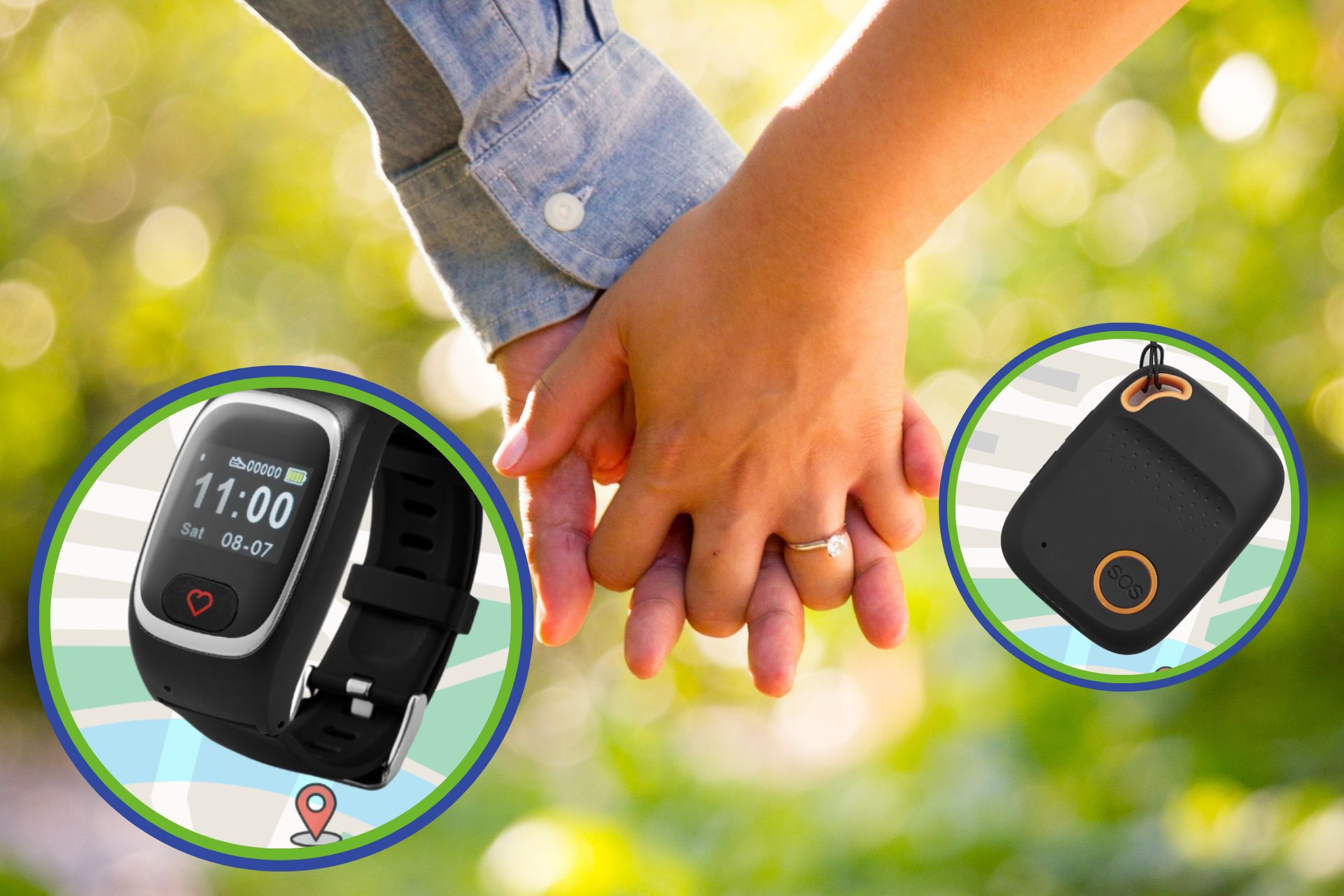
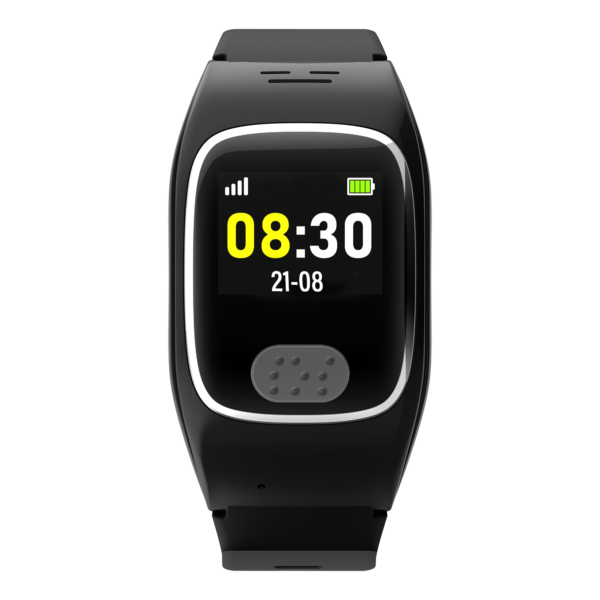
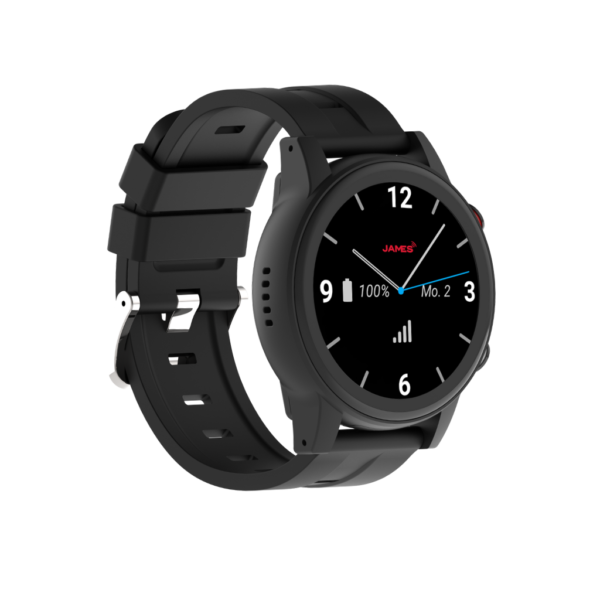
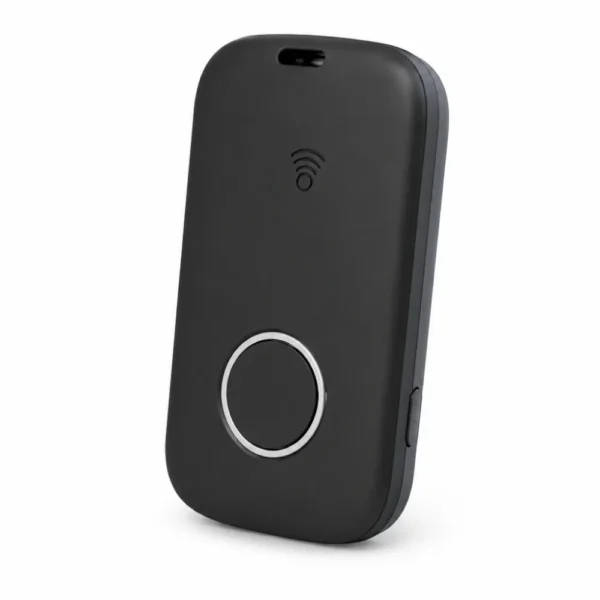
For some individuals, additional reassurance may be beneficial. Modern safety technology has made it easier than ever to access help quickly if a fall occurs. Devices such as the **StaySafe Compact Watch**, **StaySafe Classic Watch** and **StaySafe GO SOS Fob** can provide fast access to assistance at the touch of a button. Many devices also include automatic fall detection technology, which may be able to recognise a significant fall and trigger an alert even if the wearer is unable to press the SOS button themselves.
Understanding how fall detection technology works is important when considering the most suitable solution. While no technology can prevent every fall, devices with fall detection can provide an additional layer of protection and reassurance. They are often used by people living alone, those with mobility concerns or individuals who simply want the confidence of knowing help can be contacted quickly if needed. You can learn more in our guide to **Understanding Fall Detection**.
Falls prevention is not solely about responding after an incident occurs. It is about creating an environment where people can continue living safely and independently while maintaining confidence in their everyday activities. This may involve making small adjustments around the home, seeking advice from healthcare professionals or exploring technologies designed to provide additional support.
Family members and carers also play an important role. Recognising changes in mobility, balance or confidence can help identify potential concerns early. Open conversations about safety and support options can often help individuals remain independent for longer while reducing the likelihood of more serious incidents in the future. Our **Family Carer Advice** resources provide additional guidance for those supporting an older relative or loved one.
Whether you are looking for practical falls prevention advice, information about fall detection technology or guidance on choosing the right personal alarm, the resources in this section are designed to help. You may also find our **Personal Alarms & Emergency Response**, **Independent Living** and **Telecare & Technology** resources useful as you explore ways to support safer, more confident living.
Not Sure Which Device Is Right For You?
We'll help you choose the most suitable device and response option based on your needs.