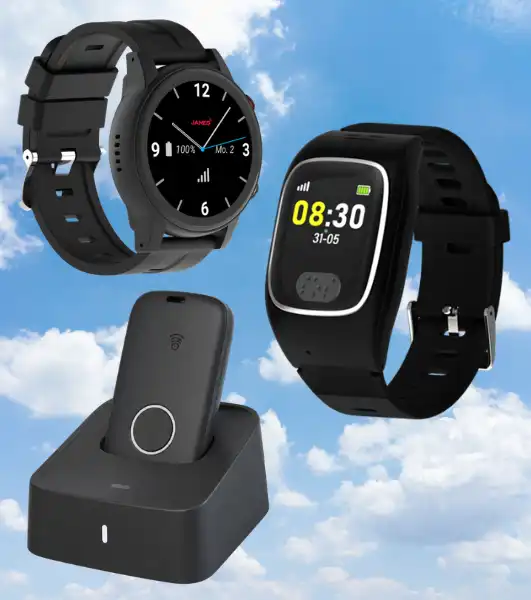
As our parents get older, it’s natural to worry about their safety and wellbeing. Whether they live alone, have experienced a fall, are becoming forgetful, or simply want to maintain their independence, a personal alarm can provide valuable reassurance for both them and their family.
The challenge is that there are now many different types of personal alarms available, from emergency pendants and GPS safety watches to monitored telecare services. Knowing which solution is right for your parent can feel overwhelming.
This guide will help you understand the options and identify the most suitable solution for your loved one’s needs.
Start With The Reason You Are Looking
Before choosing a device, ask yourself why you are considering a personal alarm in the first place.
Common concerns include:
- Falls and mobility issues
- Living alone
- Dementia or memory concerns
- Wandering or becoming lost
- Personal safety when out and about
- Medical conditions requiring quick access to help
- Family members wanting greater peace of mind
Understanding the primary concern will help narrow down the most appropriate solution.
Is Your Parent Mostly At Home?
If your parent spends most of their time at home and wants a simple way to call for help, a traditional alarm system or a dedicated emergency phone may be sufficient.
However, many older people today remain active and independent. They visit friends, go shopping, attend appointments, walk the dog and enjoy spending time outdoors.
In these situations, a device that only works at home may not provide the protection they need.
Consider Where Help Will Come From
Many personal alarms can be configured in one of two ways.
Friends & Family Response
When the SOS button is pressed, nominated family members or friends are contacted.
This can be a cost-effective option where relatives live nearby and are able to respond quickly.
24/7 Monitoring Centre Response
A professionally monitored service provides access to trained operators around the clock. If assistance is needed, the monitoring centre can assess the situation and contact family members, carers or emergency services as appropriate.
For many families, this provides additional reassurance, particularly when relatives live some distance away.
GPS Tracking Can Be Valuable
One of the biggest developments in telecare technology has been the introduction of GPS-enabled safety devices.
These allow family members to locate a loved one if they become confused, lost or require assistance.
GPS technology can be particularly valuable for:
- People living with dementia
- Individuals who enjoy walking independently
- Older adults who travel alone
- Families concerned about wandering
If this is a concern for your family, you may find our article on dementia and personal safety useful.
Should You Choose A Pendant Or A Safety Watch?
Traditionally, personal alarms were worn as pendants around the neck.
Today, many people prefer a safety watch because it is discreet, comfortable and always accessible.
A watch is often less likely to be forgotten or left on a bedside table, and many modern devices include additional features such as:
- GPS location tracking
- Fall detection
- Two-way communication
- Activity monitoring
- Health and wellbeing features
For active older adults, a safety watch often provides the best combination of protection and independence.
Does Your Parent Need Fall Detection?
Falls are one of the most common reasons families begin looking at personal alarms.
While no technology can detect every fall, modern fall detection devices can automatically raise an alert if a significant fall is detected.
This can be particularly helpful if the wearer is unconscious, injured or unable to press the SOS button themselves.
You may also wish to read our guide on fall detection devices and how they work.
Think About Ease Of Use
The best personal alarm is the one that will actually be worn and used.
Consider:
- Is the screen easy to read?
- Are the buttons easy to press?
- Will they remember to charge it?
- Is it comfortable enough to wear every day?
- Does it fit their lifestyle?
A feature-rich device is of little value if it is too complicated or uncomfortable for the person using it.
Independence Matters
Many older people resist personal alarms because they associate them with losing independence.
In reality, the opposite is often true.
The right device can help someone continue walking, shopping, socialising and living independently with greater confidence.
Rather than restricting freedom, modern personal safety devices can help maintain it.
Not Sure Which Device Is Right?
Every person’s circumstances are different.
Some people need a simple way to call for help. Others may benefit from GPS tracking, fall detection or professional monitoring.
If you’re unsure which solution would be most suitable for your parent, our team can help.
Complete our Find The Right Device form and we’ll recommend the most appropriate device and response option based on your loved one’s needs, lifestyle and level of support required.
There is no obligation and no pressure, just straightforward advice to help you make an informed decision.
Related Articles
- What Is Fall Detection And How Does It Work?
- How To Reduce The Risk Of Falls At Home
- What Is Telecare And How Does It Work?
- How Technology Can Support Independent Living
Useful Links
- Find The Right Device
- StaySafe Compact Watch
- StaySafe Classic Watch
- StaySafe GO SOS Fob
- 4G Home Phone
The best personal alarm depends on your parent’s lifestyle, health and support needs. Someone who spends most of their time at home may benefit from a simple emergency alarm, while a more active person may be better suited to a GPS safety watch with fall detection and two-way communication. The most important thing is choosing a device that will be worn consistently and is easy to use.
Many modern personal alarms work anywhere there is mobile network coverage. GPS-enabled safety watches and SOS devices can be used while shopping, walking the dog, travelling or visiting friends and family, allowing help to be summoned both at home and when out and about.
Yes. Many families choose GPS-enabled devices for loved ones living with dementia or memory concerns. These devices can provide reassurance by allowing family members to check a person’s location if they become confused, lost or fail to return home as expected. Some devices also include an SOS button and access to emergency assistance.
This depends on the response service selected. With a Friends & Family response package, nominated contacts are alerted when assistance is required. With a 24/7 Monitoring Centre package, trained operators can speak directly to the wearer, assess the situation and arrange appropriate assistance, including contacting relatives, carers or emergency services where necessary.
Fall detection can provide valuable additional protection, particularly for people who have fallen previously, live alone or have mobility concerns. While no fall detection technology can identify every fall, it can automatically raise an alert if a significant fall is detected and the wearer is unable to press the SOS button themselves.
Yes. Modern GPS safety watches are specifically designed to be simple, comfortable and easy to wear. Many look like ordinary watches while providing access to emergency assistance, location services and fall detection features. They are particularly popular with active older adults who want to maintain their independence.
Family response may be suitable if relatives or friends are available and able to respond quickly when needed. Professional monitoring can provide additional reassurance, particularly where family members live further away or cannot always be available. A monitoring centre operates 24 hours a day and can coordinate assistance whenever an alert is raised.
The cost varies depending on the device and response service chosen. Factors such as GPS tracking, fall detection and 24/7 monitoring can affect the monthly cost. It is important to consider not only the device itself but also the level of support and reassurance it provides.
This is one of the most important considerations when choosing a personal alarm. The best device is one that fits naturally into everyday life. Many people prefer a watch-style device because it feels familiar and can be worn throughout the day without drawing attention to itself.
Every person’s circumstances are different. Factors such as mobility, memory, confidence, health conditions and daily routine can all influence the most suitable solution. If you’re unsure, complete our Find The Right Device form and we’ll help identify the most appropriate option based on your loved one’s individual needs.