For many families, there comes a point when they begin to worry about an older parent or relative living alone.
Perhaps they’ve had a fall. Maybe they’re becoming a little forgetful. Or perhaps they’re simply becoming less confident about being on their own.
A personal alarm can provide reassurance for both the individual and their family, but with so many options available, how do you know which one is best?
The answer depends on the person’s lifestyle, health, mobility and support needs.
Why Consider A Personal Alarm?
Living alone doesn’t necessarily mean someone is vulnerable. Many older people live active, independent lives and want to continue doing the things they enjoy.
However, there are situations where access to help can become increasingly important.
Common reasons families begin looking at personal alarms include:
- Falls and mobility concerns
- Living alone without nearby family
- Dementia or memory concerns
- Health conditions that may require assistance
- Reduced confidence when leaving the house
- Concern about being unable to call for help during an emergency
The right personal alarm can help someone remain independent while ensuring support is available when needed.
What Makes A Good Personal Alarm?
The best personal alarm is one that suits the person’s lifestyle and is likely to be worn or carried every day.
Important features to consider include:
SOS Emergency Assistance
The ability to quickly raise an alert remains the most important feature of any personal alarm.
Most modern devices allow the wearer to press an SOS button to request assistance, either from nominated family members or a professional monitoring centre.
GPS Location Support
GPS technology can be particularly useful for people who spend time outside the home.
Location information can help family members or responders identify where someone is if they require assistance.
Fall Detection
Falls are one of the most common reasons older people require urgent help.
Many modern devices include automatic fall detection technology which can raise an alert if a significant fall is detected.
If you’d like to learn more, read our guide to What Is Fall Detection And How Does It Work?
Two-Way Communication
Being able to speak directly through the device can provide valuable reassurance during an emergency.
It allows responders to assess the situation and determine what help may be required.
Home Alarm Or Mobile Personal Alarm?
Traditional home alarm systems are often suitable for people who spend most of their time indoors.
However, many older adults remain active and independent, regularly visiting friends, attending appointments, shopping or walking outdoors.
In these situations, a mobile personal alarm often provides greater flexibility and protection.
A device that only works at home may not be able to help if assistance is needed elsewhere.
Which Type Of Device Is Best?
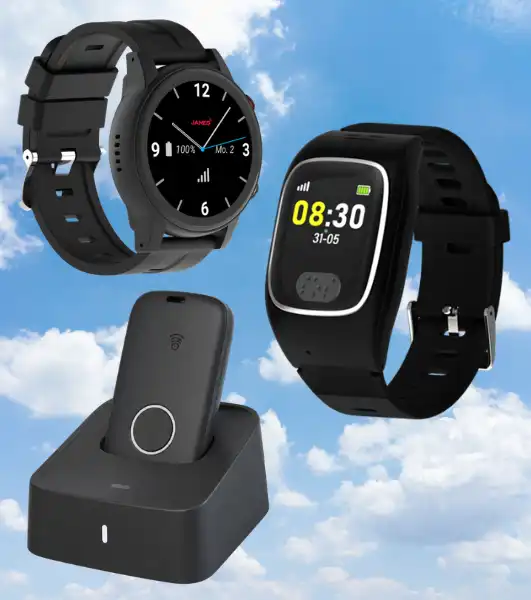
Safety Watches
Safety watches have become increasingly popular because they are comfortable, discreet and easy to wear.
They combine emergency assistance, GPS support and communication features in a familiar watch format.
For many people, our StaySafe Compact SOS Watch and StaySafe Classic SOS Watch provide an excellent balance of safety, independence and convenience.
SOS Fobs
Some people prefer a smaller device that can be worn around the neck, attached to clothing or carried discreetly.
Our StaySafe GO SOS Fob provides emergency assistance, GPS support and fall detection in a compact and easy-to-carry design.
Easy-To-Use Home Phones
For individuals who primarily need support at home, an emergency phone may be a suitable option.
Our Big Button 4G Phone combines simple communication with easy-to-use controls and emergency assistance features.
Should I Choose Family Response Or 24/7 Monitoring?
One of the biggest decisions is deciding who should respond when help is needed.
Friends & Family Response
Alerts are sent directly to nominated contacts who can provide assistance.
This option is often suitable where family members live nearby and are available to help.
24/7 Monitoring Centre Response
A professionally monitored service provides access to trained responders around the clock.
They can assess the situation, contact family members and arrange further assistance if required.
For families who live further away, this can provide valuable additional reassurance.
What About Dementia Or Memory Concerns?
If a loved one is living with dementia or memory concerns, GPS-enabled devices can provide additional peace of mind.
Features such as location support and safe zone alerts can help families maintain independence while remaining connected.
You may also find our article How To Choose A Personal Alarm For An Elderly Parent helpful.
The Best Personal Alarm Is The One That Gets Used
The most advanced device in the world won’t help if it’s left on a bedside table.
The best personal alarm is one that:
- Is comfortable to wear
- Is easy to use
- Fits naturally into everyday life
- Provides the right level of support
- Matches the person’s lifestyle and confidence
Not Sure Which Device Is Right?
Every person’s circumstances are different.
Some people need fall detection. Others need GPS location support. Some simply want a quick way to call for help if needed.
If you’re unsure which solution would be most suitable, complete our Find The Right Device assessment and we’ll recommend the most appropriate device and response option based on your individual circumstances.
There is no obligation and no pressure, just friendly advice to help you make an informed decision.
Frequently Asked Questions
What is the best personal alarm for an elderly person living alone?
The best personal alarm depends on the individual’s lifestyle, health and support needs. Many people benefit from a GPS-enabled safety watch or SOS device that can provide assistance both at home and while out and about.
Do personal alarms work outside the home?
Many modern personal alarms include mobile connectivity and GPS support, allowing them to be used both indoors and outdoors wherever suitable network coverage is available.
Are safety watches better than pendant alarms?
Neither option is necessarily better. Some people prefer the convenience of a watch, while others prefer a smaller SOS fob. The best choice depends on personal preference and daily routine.
Can a personal alarm automatically detect a fall?
Some devices include fall detection technology that can automatically raise an alert if a significant fall is detected. However, no fall detection system can detect every fall.
Can family members be notified during an emergency?
Yes. Depending on the response package selected, alerts can be sent to nominated family members or handled by a 24/7 monitoring centre.